Auctoria
AI-native technology for game worlds.
We started building it in 2021 — machine learning for natural 3D worlds, before ChatGPT. Today Auctoria helps us create worlds faster, optimize them more intelligently and build gameplay that reacts to what the player says.
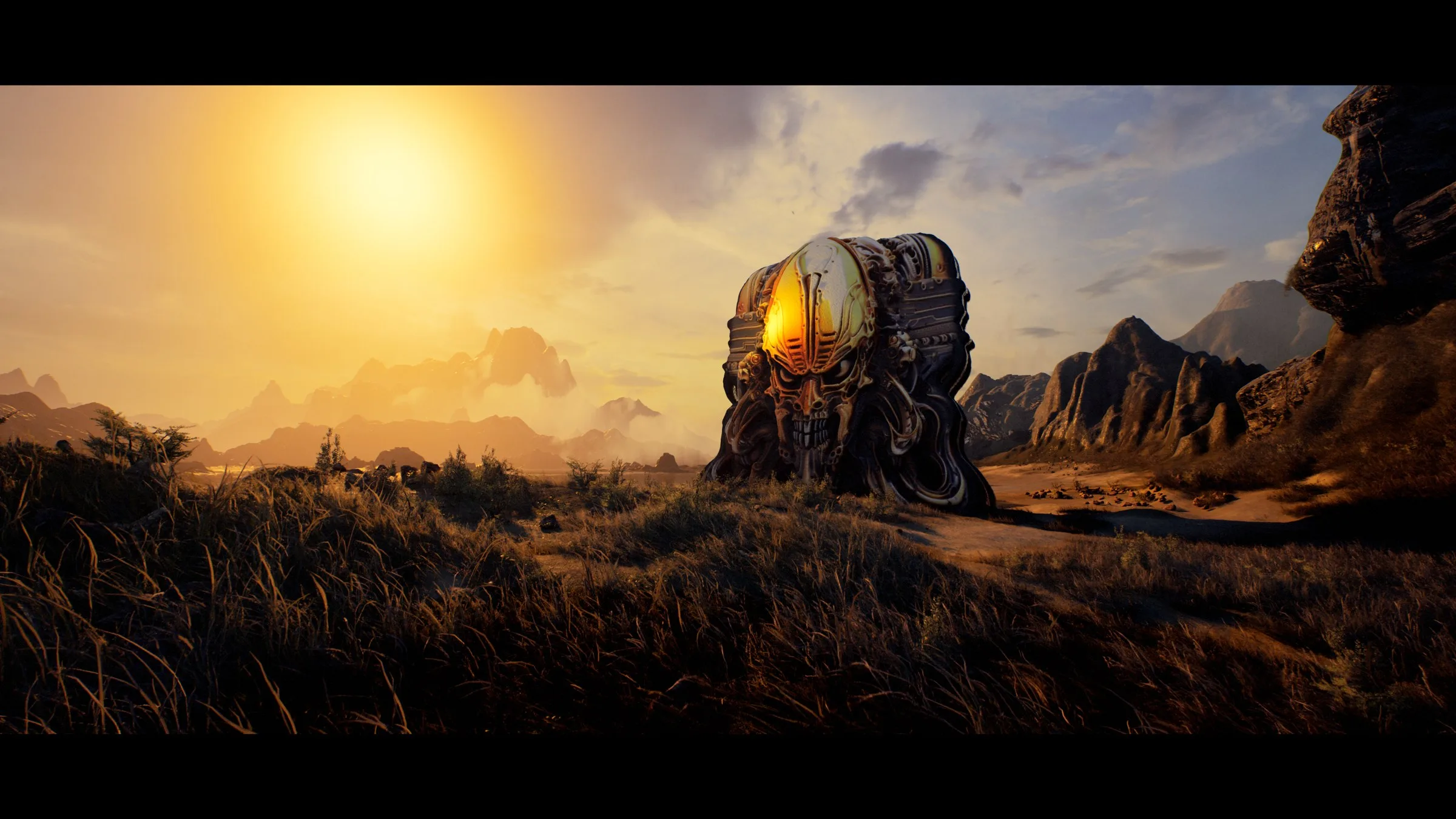
Auctoria · generated assets in an Unreal Engine scene- 2021
- R&D started, backed by a public research grant
- gamescom 2023
- MVP presented live
- Top 200
- TechCrunch Disrupt 2023 startups
- up to 90%
- less prototyping time in our own productions
How does naturebuild the world?
Auctoria began inside Carbon Studio with a real production problem: believable, organic 3D worlds take an enormous amount of manual work. The first question was narrow and concrete — can machine learning help us make natural objects, starting with rocks?
Rocks are a good teacher. Cracks, erosion, layering, weathering, sediment, mineral structure, exposure to light and water — they show how nature forms shapes. So we built systems inspired by those processes: erosion, terrain formation, sunlight exposure, surface degradation, slope behaviour, water flow, vegetation logic.
From single rocks it grew into terrain, levels, textures, world layouts and scene optimization — and then into runtime AI that listens to the player. Auctoria is not one product. It is the technology stack we use to make games, and to deliver projects for partners.
- 2021R&D starts with a publicly funded research grant. Machine learning for natural 3D assets — rocks first.
- 2023MVP presented at gamescom (August). TechCrunch Disrupt top 200 startups (September).
- 2024Closed tests with pilot clients from January. 250+ companies signed up for the beta.
- 2025Voice AI and runtime gameplay (Echo) enter our game prototypes.
- 2026Echo runs a public, fully local AI avatar at Dni Gliwic. Work starts on an avatar & NPC platform.
One stack.Four modules.
- 01 Core The connective tissue. Plugin-based integration layer that turns separate AI tools into one workflow inside the game engine. Read more
- 02 World Builder Worlds with natural logic. Our own ML models for rocks, minerals and natural formations, plus terrain, textures and layouts — used with PCG. Read more
- 03 Echo Speech into gameplay. Voice AI, AI narration and runtime gameplay. Local-first: speech-to-text, small language models, intent, tone, text-to-speech. Read more
- 04 MAGOS Scenes that run. Automatic and semi-automatic scene optimization for VR, XR, standalone and mobile — measured before and after. Read more
Not the visible feature.The connective tissue.
Core makes Auctoria usable inside the way developers already work — not as a separate external app. It connects generation, optimization, AI agents, runtime systems and editor utilities into one environment, as plugins for game engines and production tools.
It is also why the stack keeps growing: a feature built for one project becomes a reusable tool for the next.
- World generation
- Asset generation
- Textures & materials
- Optimization
- Gameplay AI
- Voice systems
- Scene analysis
- Runtime components
- Editor tools
- Internal APIs
- Unreal Engine
A rock should belongto its landscape.
World Builder is the oldest and most developed part of Auctoria. It is not “generate a random 3D model”. Terrain, rocks, erosion, sunlight, slopes and materials should relate to each other, so a level has an underlying natural logic instead of scattered objects.
In production we use it together with PCG: generate several believable variations, test them in-engine, refine the best. It speeds up early prototyping, environment dressing, visual exploration and level concepts — and removes a lot of repetitive work.
- Rock & mineral generation (own ML models)
- Natural formations
- Terrain fragments & landscapes
- Erosion-inspired shaping
- Sunlight / exposure surface logic
- 3D and 2.5D model generation
- Texture generation & modification
- Material creation
- Level prototyping
- World layout & asset placement
- Worlds from prompts, drawings, images or references
- Works directly inside the engine
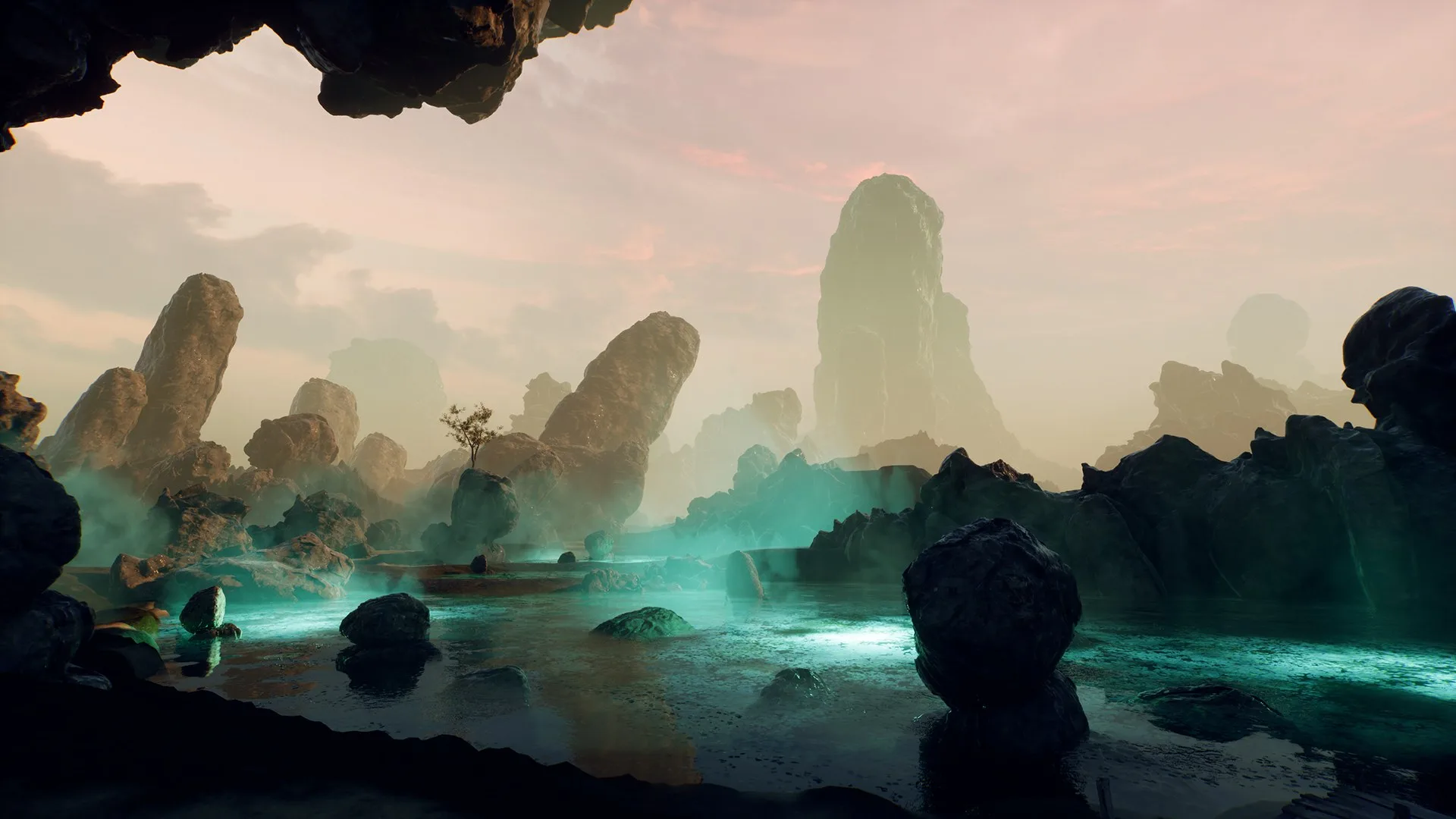
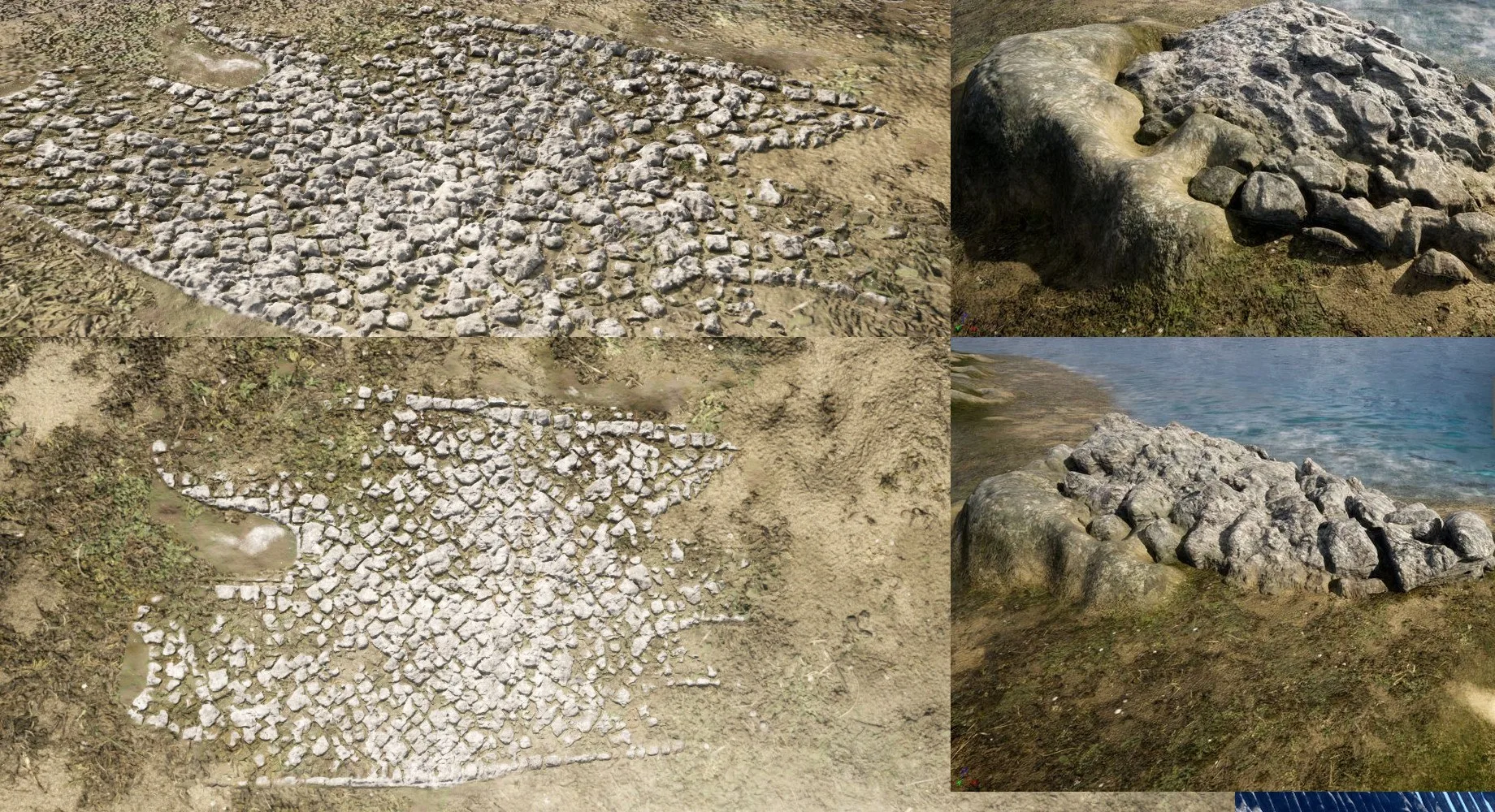
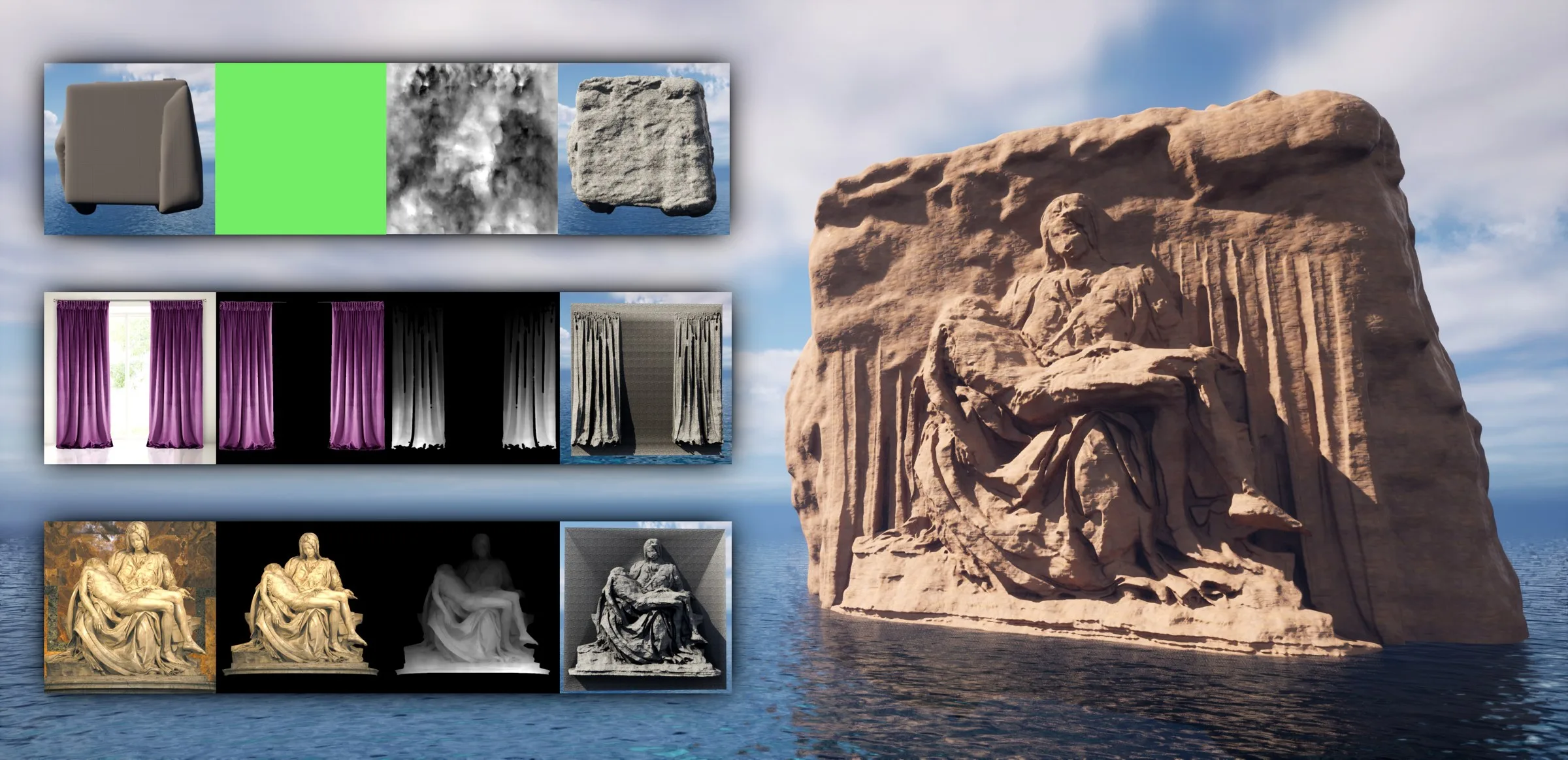
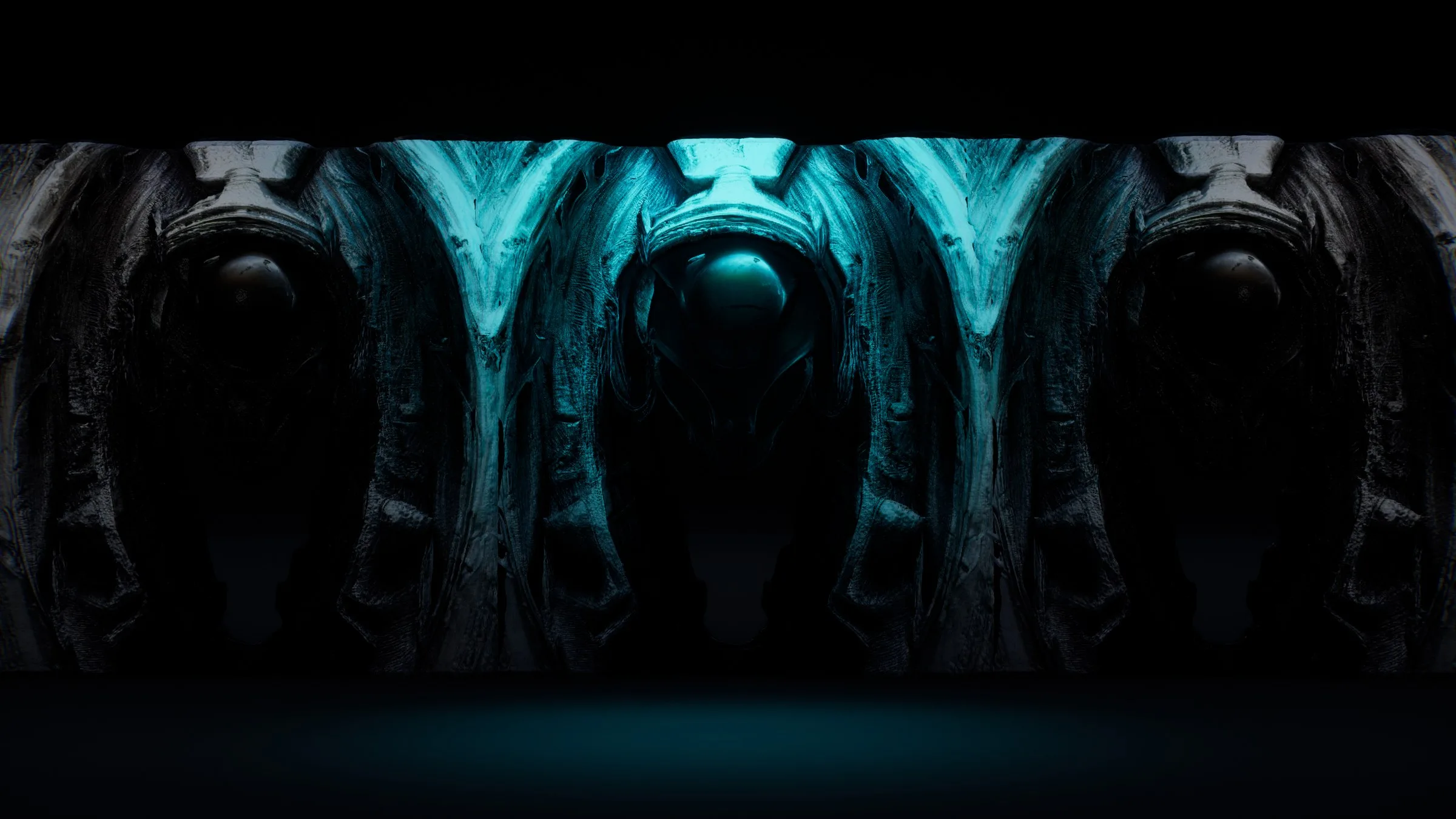


Real-world data in, playable terrain out.
For a metaverse project we reconstructed part of the surface of Mars from NASA satellite imagery. The same approach works for any real or fictional geography — which puts World Builder between game development, simulation and reconstruction.
- Open worlds from real geography
- Digital twins
- Training & emergency-response simulators
- Autonomous-vehicle test environments
- VR training
- Educational simulations
R&D recordings from our channel — earlier builds, shown for what the modules do, not how the latest version looks.
Echo turns speechinto gameplay.
Not speech into text. Not text into dialogue. Speech into decisions, reactions, pacing, events and consequences the player can feel.
Echo is not a chatbot inside a game. It listens to what the player says and how they say it, works out what they are trying to do, checks it against the state of the game and answers through the world: a line of narration, a door that does not open, an event on the road ahead.
It can call external LLMs when a prototype needs heavier reasoning. The direction is local: games need low latency, reliability, cost control and predictable behaviour, and a local or hybrid runtime gives developers that control — and keeps player voice data on the device.
-
The player speaks naturally. Speech is transcribed in real time, locally where possible.
-
How it was said matters: stress, hesitation and uncertainty feed the game — especially in horror.
-
A closed set of intents with paraphrase mapping — the game knows what the player is trying to do, which keeps it testable and solvable.
-
SLMs run the character and narration on the player’s machine; external LLMs only when a prototype needs more reasoning.
-
Every answer is grounded in what is true in the game right now: location, progress, trust, what the player has already done.
-
Echo triggers gameplay: opens systems, changes puzzles, schedules events, escalates tension.
-
An AI narrator or companion that comments, guides, misleads or warns — paced to the player.
-
The response comes back as a voice in the world: a ship AI, a CB radio, a guide on a city square.
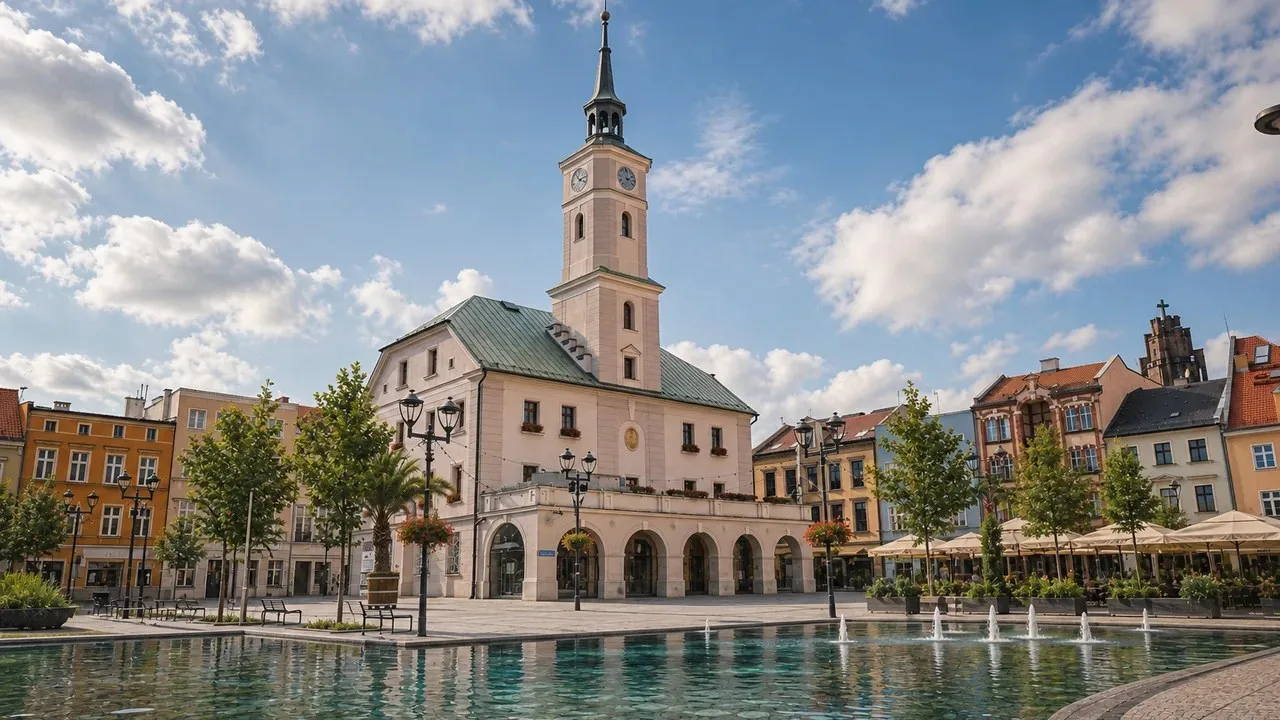
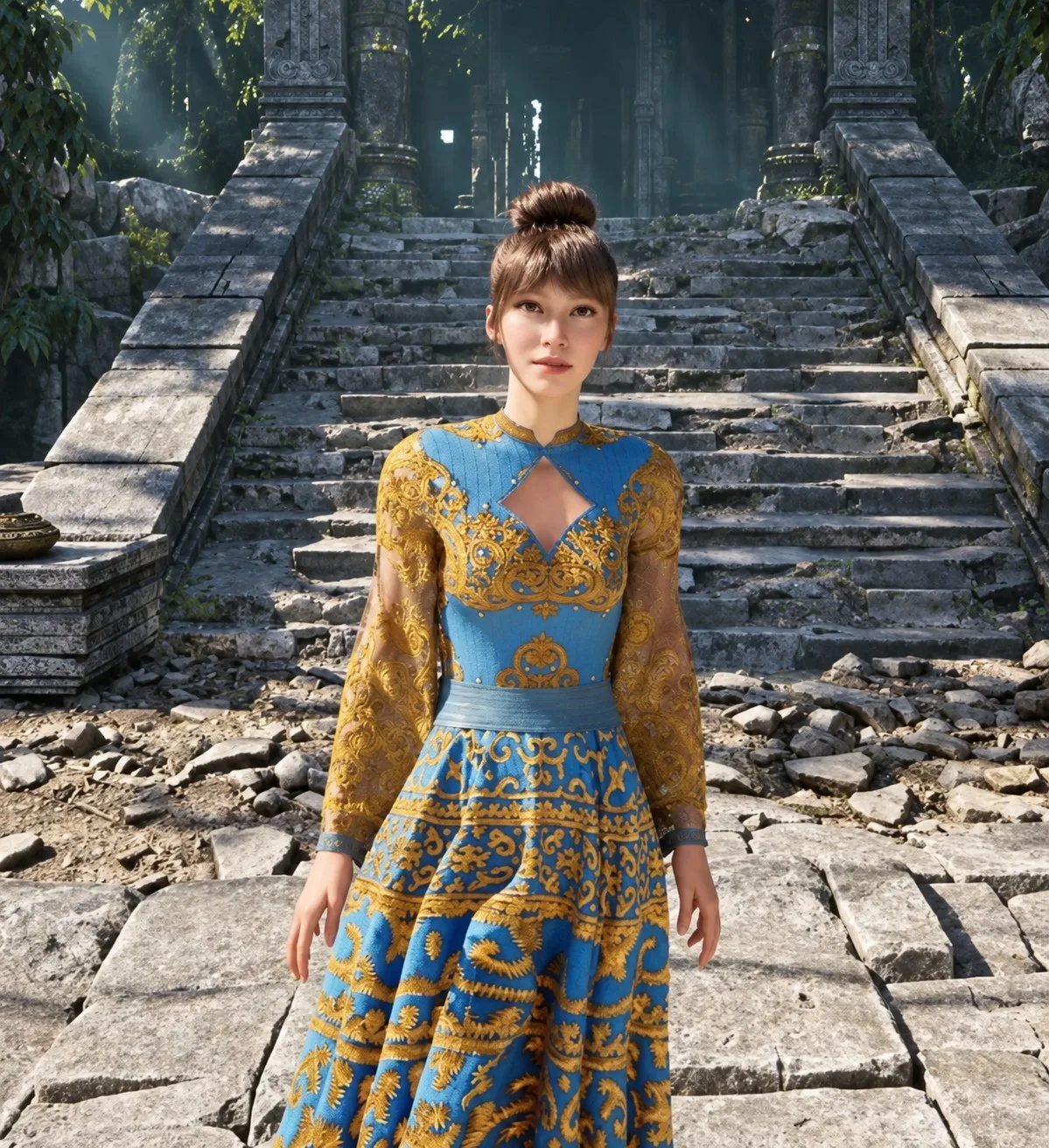
Next: a platform for avatars and NPCs.
We are turning what we built for Gliwice and for our games into one platform for voice-driven characters — for games, culture, education and public spaces.
- Interactive NPCs
- AI companions
- AI narrators
- Digital humans
- Museum & city avatars
- Training instructors
- Public AI installations
Tuned forwhat theplayer sees.
MAGOS does not make new content. It makes existing scenes run — especially where it is hardest: VR, XR, standalone headsets, mobile and large real-time worlds. It analyses a scene, finds what costs too much and supports the team in fixing it with far less manual work.
The key idea: optimize for what the player actually sees, from where they actually walk — not from a global technical view. It comes straight from our VR work, where a scene that runs on PC can fail on a standalone headset.
- 01Object grouping & HLOD
- Clusters objects by placement, distance, materials and structure to cut draw calls and scene complexity.
- 02Scene regions
- Splits a level into zones and bounding areas for streaming, visibility management and HLOD.
- 03Player path analysis
- Generates observation points along real or expected navigation and measures what matters from there.
- 04Hidden geometry
- Finds triangles and surfaces the player never sees, and removes or simplifies them without changing the image.
- 05LOD automation
- Suggests LOD counts, reduction ratios and screen-size thresholds by object importance and regularity.
- 06Platform profiles
- Different aggressiveness per target — PCVR keeps more detail than Quest-class standalone.
Measured, not guessed.
Every run produces a before / after report, so the team knows what changed, why, and whether performance actually improved.
- FPS
- Frame time
- Render thread
- Draw calls
- Primitives
- Visibility
- Bottleneck areas
- Recommendations
What we canbuild for you.
Auctoria is not a self-serve SaaS. We deliver it through projects run by the Carbon Studio team — the same people who build our games.
- 01World Builder
Worlds & environments
Natural environments, rock and terrain sets, reliefs and level concepts for your game or simulation — including terrain reconstructed from real-world data.
- Environment prototypes in Unreal
- Natural asset sets
- Real-data terrain
- 02MAGOS
Scene optimization
Optimization of heavy scenes for VR, standalone headsets and mobile: grouping, HLOD, visibility, LOD profiles — with a measured before / after report.
- Scene audit
- Optimized build
- Performance report
- 03Echo
Voice AI & avatars
Voice-driven NPCs, narrators and avatars for games, museums, cities and training — local or on-premise when privacy requires it.
- Voice gameplay prototype
- AI avatar / kiosk
- On-premise deployment
- 04Core
R&D partnership
A joint AI-native prototype, or licensing and adapting specific Auctoria modules to your pipeline and engine.
- Joint prototype
- Module licensing
- Pipeline integration
Honest status.
What is in use, what is a prototype and what is still in development — clearly labelled.
- World Builder modules for rocks, minerals, natural structures and textures — on our own ML models.
- Environment prototyping and dressing with PCG inside Unreal Engine.
- Echo in our game prototypes (Project The Siren, Wild Roads).
- Echo avatar deployed publicly at Dni Gliwic 2026, fully local.
- Metaverse project: Martian surface reconstructed from NASA imagery.
- PatternIt! — interior design and pattern generation.
- AI avatar concepts for public institutions and cities.
- MAGOS scene optimization on VR and large scenes.
- Core as one plugin layer across engines and tools.
- Echo fully local on the player’s machine (STT + SLM + TTS).
- A platform for voice-driven avatars and NPCs.
Auctoria is our AI-native technology stack for creating worlds faster, optimizing them more intelligently and building gameplay systems that react to the player.
Have a worldto build?
Tell us about your project — a game, a simulation, a VR experience or a public installation. We will tell you honestly which parts of Auctoria can help.
Aleksander Caban · CEO, Carbon Studio · aleksander.caban@carbonstudio.pl