How it started: the story of “Alice VR” — our first game in virtual reality
TL;DR: Alice VR was Carbon Studio’s first VR game, born from a master’s thesis at ASP Katowice. It placed TOP 10 in Oculus Mobile Jam and led to a publishing deal with CDP/Klabater, featuring narration by Krystyna Czubowna.
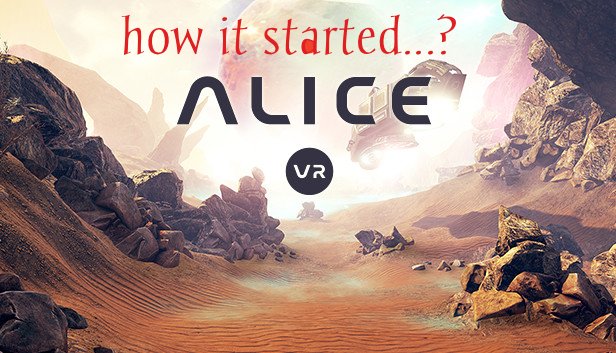
This is the first chapter of a new series where we rewind to Carbon Studio’s beginnings. VR was still crawling and we were still figuring out how to move in that world (quite literally).
Alice VR was our first game, our first commercial project and our first big test of patience, ambition and courage. It’s a story of how a master’s thesis evolved into a full-fledged VR production that opened the door to the international stage.
It Began with a Diploma
(This series is a personal trip down memory lane, so you’ll often hear a first-person voice – Aleksander Caban.)
The idea for Alice VR came before Carbon Studio even existed – as my master’s thesis at the Academy of Fine Arts in Katowice.
“I was fascinated by blending art, storytelling and virtual reality – a technology that was only just entering the scene. Our first Oculus Rift DK1 arrived straight from Kickstarter: rough, clunky… but more than enough to glimpse the future.”
The thesis planted the seed: an interactive tale inspired by “Alice in Wonderland”, transposed into sci-fi – an alien planet where reality shifts with the hero’s perception.
From that academic experiment grew the vision for a game that, a few years later, became Carbon Studio’s first title.
Oculus Mobile Jam: First Recognition
Soon after founding the studio we entered Oculus Mobile Jam, a global competition for VR creators targeting Samsung Gear VR. We had no budget, no infrastructure – but we had an idea, stubbornness and many sleepless nights.
The result? We placed in the TOP 10 finalists among hundreds of teams worldwide.
It was the first sign that what we were doing mattered. Consequently, we realized we could compete not only locally, but globally.
Publishing Deal with CDP/Klabater
Riding the Jam momentum, we looked for a path to turn the concept into a full game. That’s when we reached out to CDP – known from the era of distributing CD Projekt’s games and the GOG.pl platform (today operating as Klabater).
We signed our first publishing agreement, which meant Alice VR could finally become reality. CDP brought enormous value: production support, distribution, PR and – crucially – a superb Polish localization.
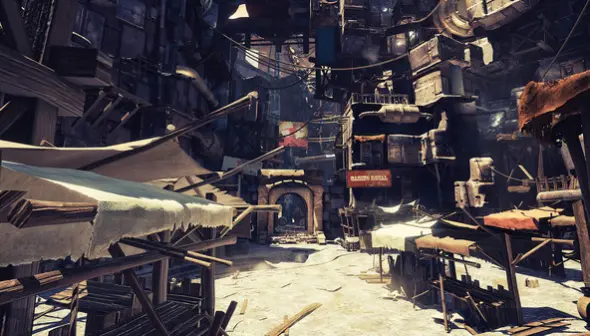
Fun dev anecdote: The look of our “Metal City” came from a happy accident. It was supposed to be a sandy, Tatooine-like settlement. One late evening, a stray “select all” and a metal material assignment in Unreal Engine made the whole city gleam with steel… and it just looked better.
The Voice of Krystyna Czubowna
One standout outcome of working with CDP was a top-tier Polish voice-over. We wanted it to sound like a proper sci-fi film – and that’s exactly what happened.
The Queen of Hearts – our main narrator – was voiced by Krystyna Czubowna. Yes, that Krystyna Czubowna. Her iconic, calm, slightly hypnotic voice gave the game a unique tone – blending the coldness of space with fairy-tale mystery.
Building the Game: Ambition and Improvisation
Production was intense. We wanted a game that combined exploration, story and full-3D logic puzzles. With a modest budget, we wore many hats – from code to level design.
Motion sickness was the boss fight. Testing the game could literally make you dizzy. And yes – we made mistakes. We tried to do too much at once. However, those missteps taught us how to design VR in a more thoughtful, comfortable way.
Launch and First Reviews
When Alice VR finally launched, we were exhausted – and proud. The game shipped simultaneously on PC and all major headsets: Oculus Rift, HTC Vive and OSVR – a huge leap for a small Polish studio.
Reviews were mixed: some praised the atmosphere and Czubowna’s narration; others flagged comfort issues. Regardless of the score, one conclusion kept emerging:
Alice VR was among the first Polish titles to treat virtual reality seriously.
Key Lessons Learned
- VR is a different medium. You can’t just port rules from traditional 3D games
- User testing is everything. Without hours of feedback you can’t build comfort into VR
- Publisher partnership matters. Working with CDP/Klabater taught us the full production cycle
- Sound is powerful. Narration can shape emotion in VR like nothing else
- Names matter. Adding “VR” to the title likely turned away flat-screen players
Looking Back
A decade and seven shipped games later, we look at Alice VR with huge affection. It was our first professional step into VR, our first publisher relationship, our first project to reach beyond Poland.
Alice VR paved the way for everything that followed: the The Wizards series, collaborations with Meta, Pico and Epic Games. It also led to our proprietary AI tools now used in games and B2B projects like MAGOS.
What’s Next
In the next article, we’ll share how Alice VR experience led to our most recognizable brand – The Wizards – and how we managed to bring a Polish VR game to the global bestseller lists.
For our current projects, see Project Hermes and our latest Q3 2025 financial results.