How The Wizards Was Created – The Story of a Game That Defined Carbon Studio
It all started at a game jam – NVIDIA and HTC on a barge in the port of Hamburg. The beginning of The Wizards wasn’t in a conference room, wasn’t in a business plan, and didn’t even start in an office.
It started at a game jam organized by NVIDIA and HTC, held on a barge docked in the port of Hamburg.
Carbon Studio was invited exclusively — we were one of just a handful of teams selected to take part. That detail matters, because even back then we felt that VR was starting to be taken seriously, and that we were among those who could help shape what it would become.
It was the kind of place that encourages decisions that aren’t entirely rational, but very real. Technology all around, people from the industry, time pressure, and one simple question:
What delivers the strongest effect in VR instantly, without explanation or instructions?
That’s where the first version of the idea was born: casting spells in VR.
A simple, raw prototype — but with one quality you can’t fake: an immediate spark. You put on the headset, move your hand, and… fire shoots out. No explanation. No tutorial. It just works.
That was the first time we felt something that would return many times later: VR doesn’t win with graphics or world size. VR wins when it fulfills a fantasy.
And the fantasy we saw in that moment was obvious: being a wizard.
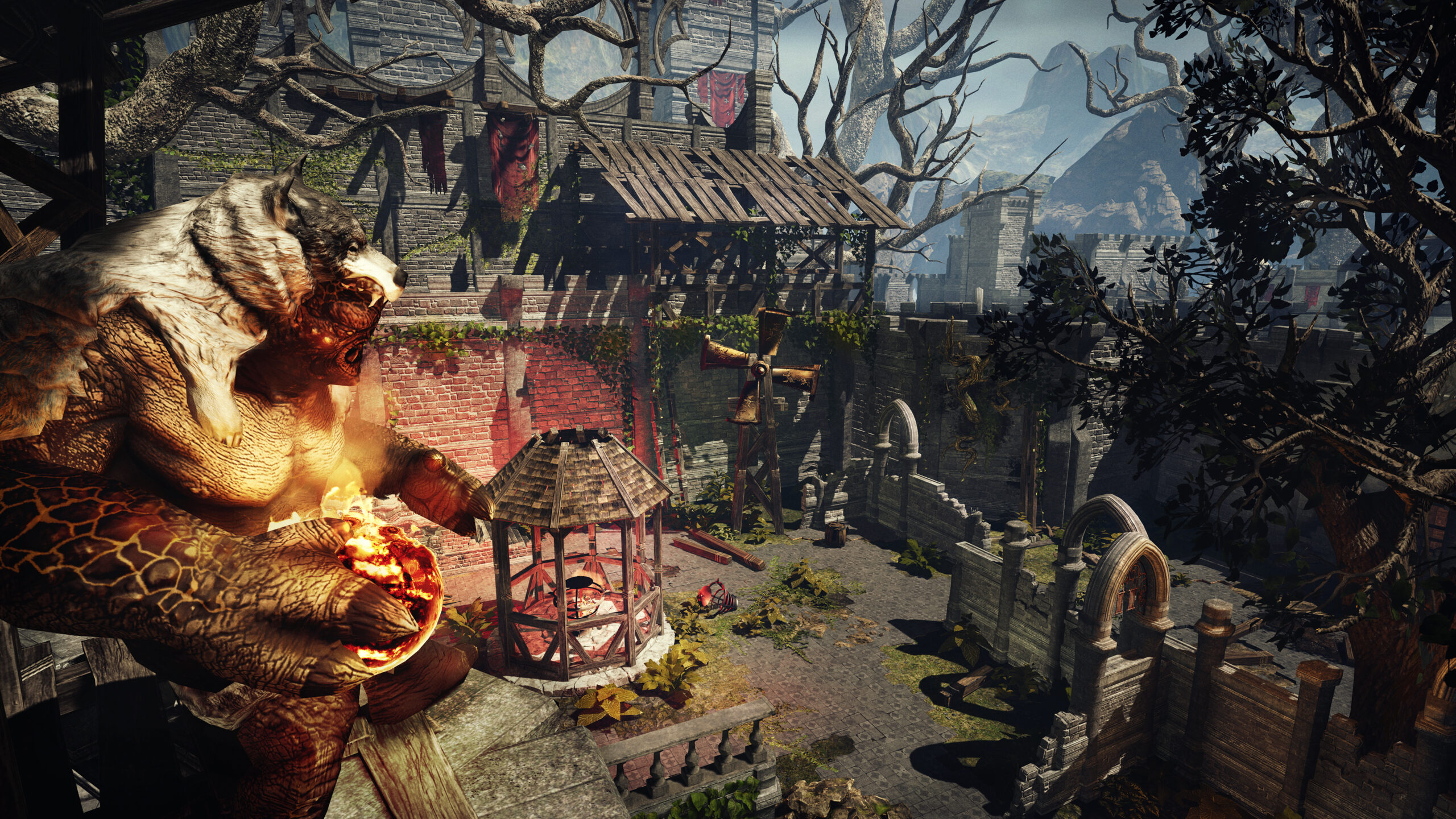
When We Realized We Wanted to Create the Fantasy of Being a Wizard
At some point it became clear: we wanted to make a game that fulfills a dream many players have — including our own. The dream of truly feeling like a wizard.
This wasn’t market analysis. It was recognizing VR’s single, undeniable advantage: it makes you feel, not just click. In The Wizards, that advantage came down to something very simple: gesture → magic → world reaction.
Why Fantasy Was a Natural Direction
Fantasy was an obvious choice for us because it came from personal interests. We grew up on books, films, and games from this genre. It wasn’t a theme invented for a pitch deck — it was something already inside us.
And this is an important part of the story: The Wizards wasn’t born from calculation. It was born from the combination of passion and a technological moment when VR finally made it possible to materialize that passion.
Gesture-Based Magic: An Intuition That Came Naturally
From the start, gesture-based magic felt like the obvious choice — something natural in VR, especially at a time when the hardware itself pushed you in that direction.
HTC Vive controllers were held almost like wands. That naturally led the project toward spellcasting gestures familiar from pop culture and fantasy films. Later, when Oculus introduced Touch controllers, some things had to change — but the foundation remained the same:
Magic cannot be a button. Magic has to be movement and instinct.
That became one of the most important VR lessons we took from this project.
The Biggest Risk: Rebuilding Locomotion in VR
The most risky decision in the entire process wasn’t about graphics, the world, or the story. It was about comfort and movement — the very things that can kill even the best idea in VR.
We decided to rebuild the entire game’s locomotion system:
- From point-to-point teleportation
- To full free movement
- While adding a large set of comfort and movement settings
This was a rebuild on a living organism. It required redesigning combat pacing, scene flow, and even how players were guided through the game. It was risky, because it’s very easy to cross the line where VR becomes exhausting instead of immersive.
Today, we know this was a decision without which The Wizards would never have become what it is.
Early Access: The Moment We Knew It Had Real Potential
There was no single “either this works or we shut down” moment. What we had instead was growing confidence that we were heading in the right direction.
After Early Access, we knew the game had real potential — and that players wanted exactly what we were trying to deliver: intuitive, satisfying spellcasting in VR.
We had no doubts about the project. We believed in it.
And we were right.
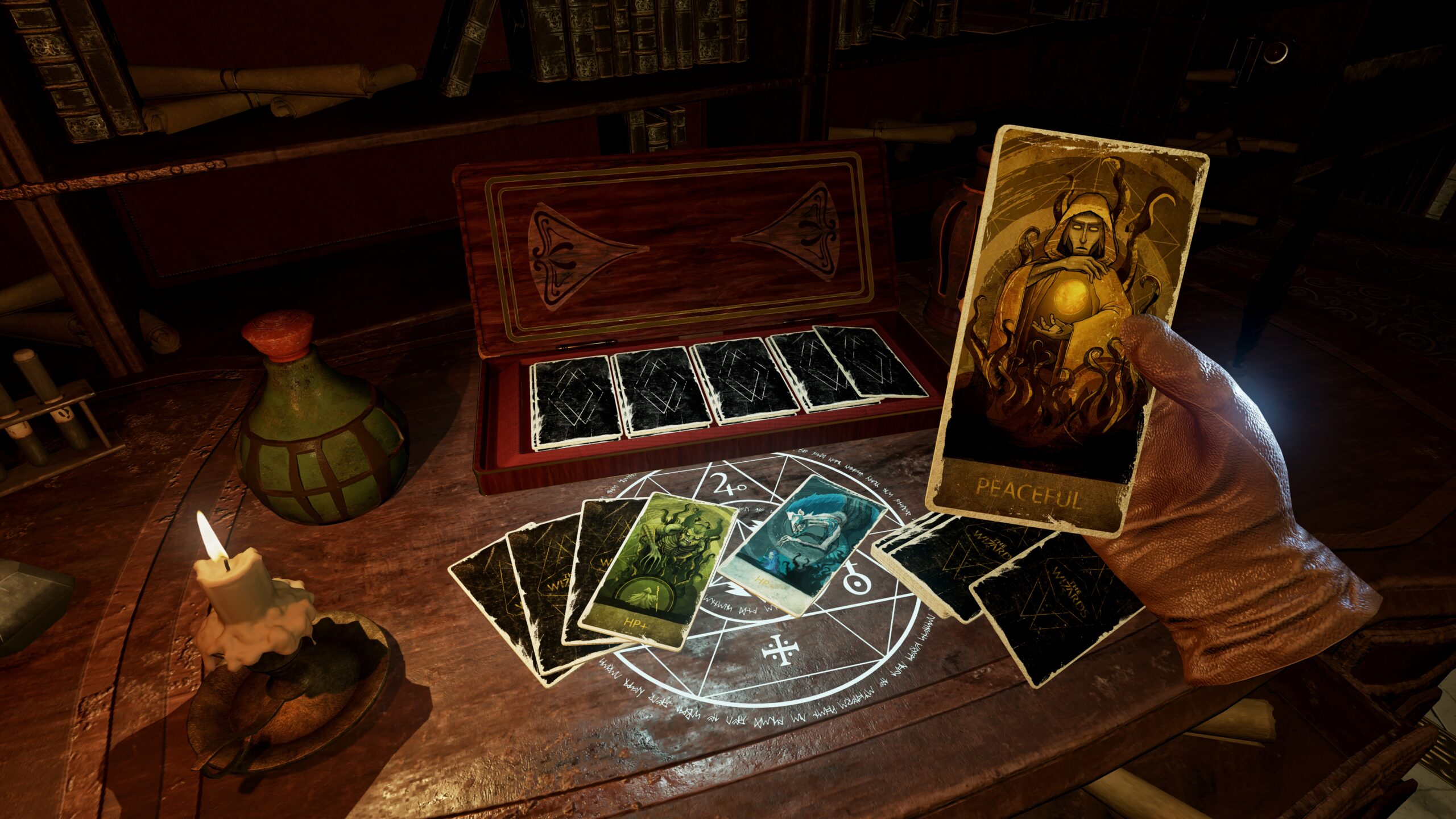
What The Wizards Taught Us About VR
This game taught us that two things are crucial in VR:
- Controls based on natural gestures and instincts — both from real life and from pop culture
- VR forces a complete rethink of the design toolkit
VR isn’t “a game plus a 360 camera.”
VR overturns:
- Mechanic design
- Combat timing and pacing
- Storytelling
- Cutscenes
- How players are guided through the world
It’s a different language.
Interestingly, we saw the first real proof of this even earlier, during Alice VR demos at trade shows. People would spend long minutes doing nothing “productive” — no missions, no objectives — just looking around and testing what they could do. That was the first sign that VR operates on a completely different level of attention and presence.
The Investment Path and the Beginning of “Real” Business
An important part of this story is that The Wizards wasn’t just a game. It marked the beginning of our investment journey.
That’s when we started meeting investors, understanding the weight of business decisions, and realizing that if we wanted to grow, we had to speak not only the language of design, but also of value, risk, and scalability.
This was the start of a process that, over time, led Carbon Studio to enter the stock market — not as a single event, but as a consequence of building a studio focused on long-term value. You can learn more about our journey and how we’ve evolved as a company.
The Biggest Mistake: Not Enough Post-Launch Support
There’s no point in polishing this part of the story — the lessons matter most.
The biggest mistake we made with The Wizards was not supporting the game long enough after launch.
We did release a free Enhanced Edition, and that was a good move. But in hindsight, we know we could have done more. The game had the potential for a longer life, a stronger community, and a more powerful long-tail.
Part of our energy went elsewhere.
From DLC to a Standalone Game: How The Wizards: Dark Times Grew
It started innocently. The Wizards: Dark Times was meant to be a DLC for the first game.
But the project grew — so much that we eventually decided to turn it into a standalone title. That had clear advantages: larger scope, new possibilities, a bigger product. But it also had a cost — attention that could have strengthened the first game shifted to a new one.
Another lesson in how easy it is in game development to move from “strengthening the core” to “building the next project.”
Discover the fascinating origin story of The Wizards — the game that defined Carbon Studio. It all began at an NVIDIA and HTC game jam on a barge in Hamburg. See how a small prototype evolved into a cult VR title that reshaped the landscape of Polish game development.
Why The Wizards Was a Breakthrough for Carbon Studio
The Wizards opened many doors for us. It was the studio’s first major success. And it taught us something that still defines Carbon Studio today:
Trust your intuition — if it’s grounded in real player experience.
There was a cost: sleepless nights, early-stage chaos, and real responsibility. But the reward was tangible — satisfaction from positive reception and the feeling that we were building something serious.
It wasn’t relief.
It was momentum.
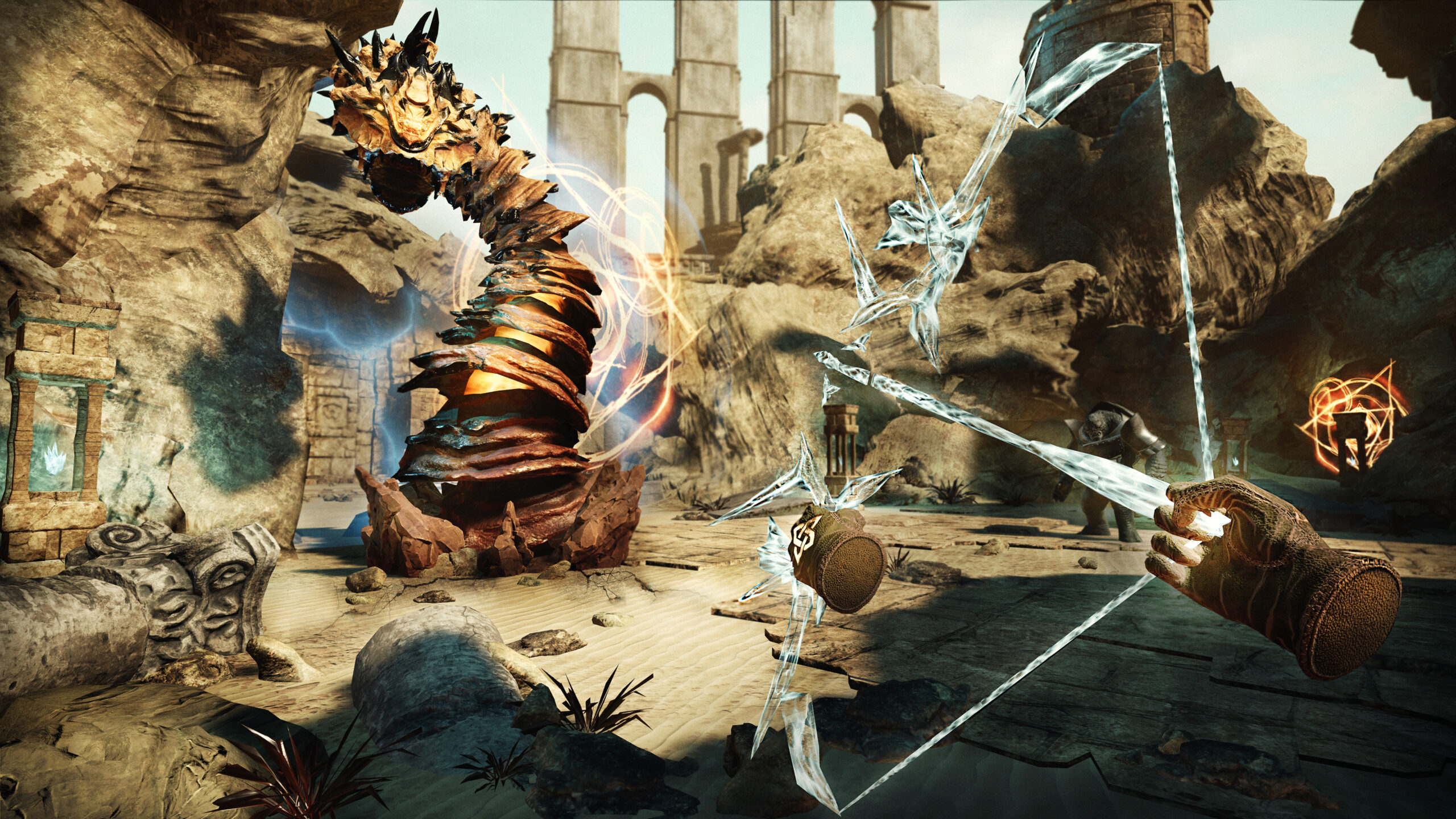
What We Would Do Differently Today
If we could turn back time, one thing is certain:
We would support the game longer after launch.
To this day, The Wizards remains one of our main sources of game revenue. The project is still working for us — and that alone shows how critical post-launch decisions really are.
The Wizards and Our DNA: Fantasy as a Direction
One final realization, obvious only in hindsight: The Wizards confirmed that fantasy is part of our studio’s DNA.
Not as a genre, but as a way of building emotion and worlds. It directly influenced how we thought about future projects, technology, and player experience. This approach continues to shape our services and the way we develop immersive experiences for our clients.
And that’s why, in this series of Carbon Studio stories, The Wizards isn’t just another chapter.
It’s the chapter where it really began. If you’re interested in our current projects or would like to discuss your own VR development needs, feel free to contact us to learn more about how we can bring your vision to life.
Key Takeaways
- Game jams can spark innovative ideas – The Wizards originated from a single weekend event in Hamburg
- VR succeeds through fantasy fulfillment rather than technical specs or graphics quality
- Simple, intuitive interactions (gesture → magic → reaction) create the most compelling VR experiences
- Personal passion drives better game development than pure market analysis
- Immediate user engagement without tutorials proves a concept’s VR viability
Frequently Asked Questions (FAQ)
▸ How did The Wizards VR game development begin?
The Wizards started at an exclusive game jam organized by NVIDIA and HTC on a barge in Hamburg port. Carbon Studio was invited as one of only a handful of selected teams to participate in this unique VR development event.
▸ What was the core concept behind The Wizards gameplay?
The core concept was simple gesture-based magic casting: move your hand and fire shoots out instantly. No tutorials or explanations needed – the game fulfills the fantasy of being a wizard through intuitive VR interactions.
▸ Why did Carbon Studio choose fantasy as the game’s theme?
Fantasy was a natural choice based on the team’s personal interests and childhood experiences with books, films, and games from the genre. It wasn’t market analysis but genuine passion for the fantasy world.
▸ What makes The Wizards different from other VR games?
The Wizards focuses on fulfilling player fantasies rather than competing with graphics or world size. It leverages VR’s unique advantage of making players feel emotions and sensations rather than just clicking buttons.
▸ How does The Wizards demonstrate VR’s potential?
The game shows VR’s power through immediate, intuitive interaction – players put on headsets, move hands, and magic happens instantly. This demonstrates how VR excels at creating immersive experiences that fulfill dreams and fantasies.